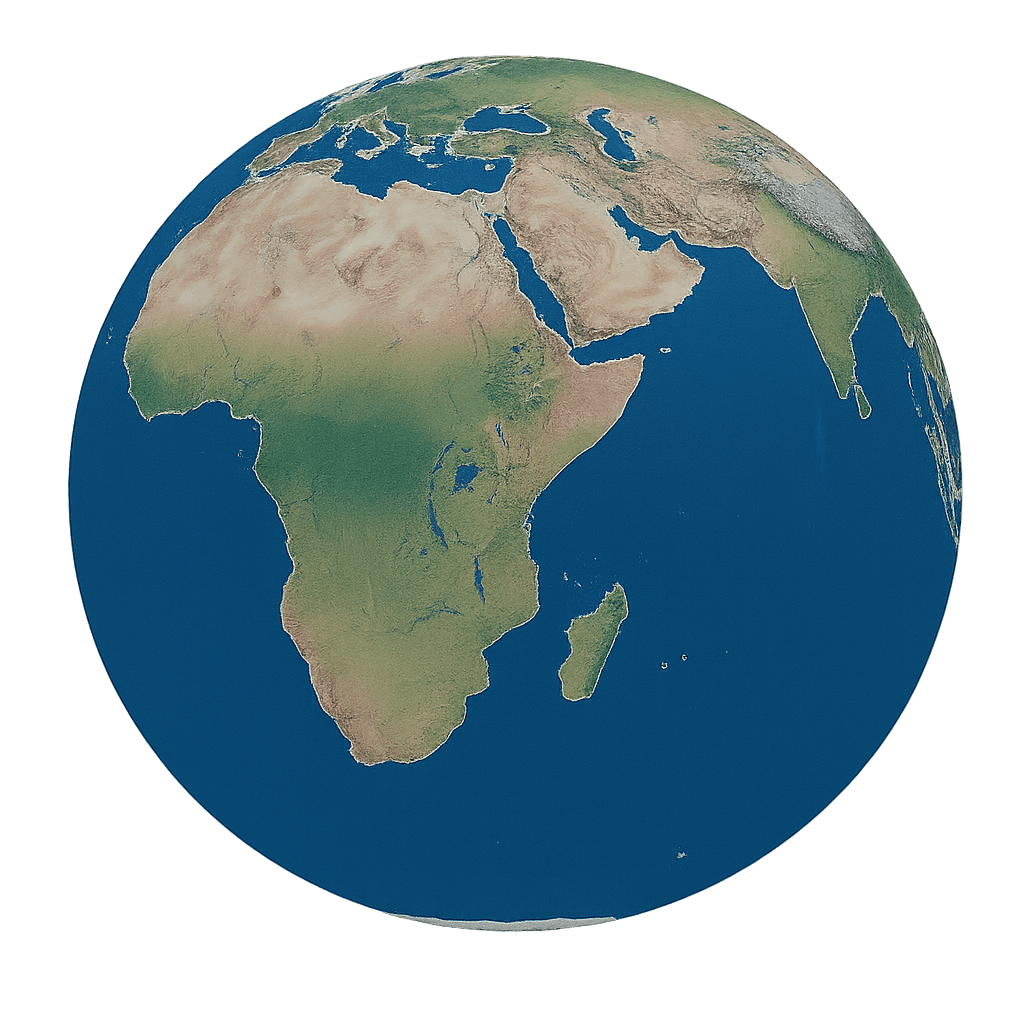

Kuwait pushes ahead with reforms as regional tensions reshape outlook
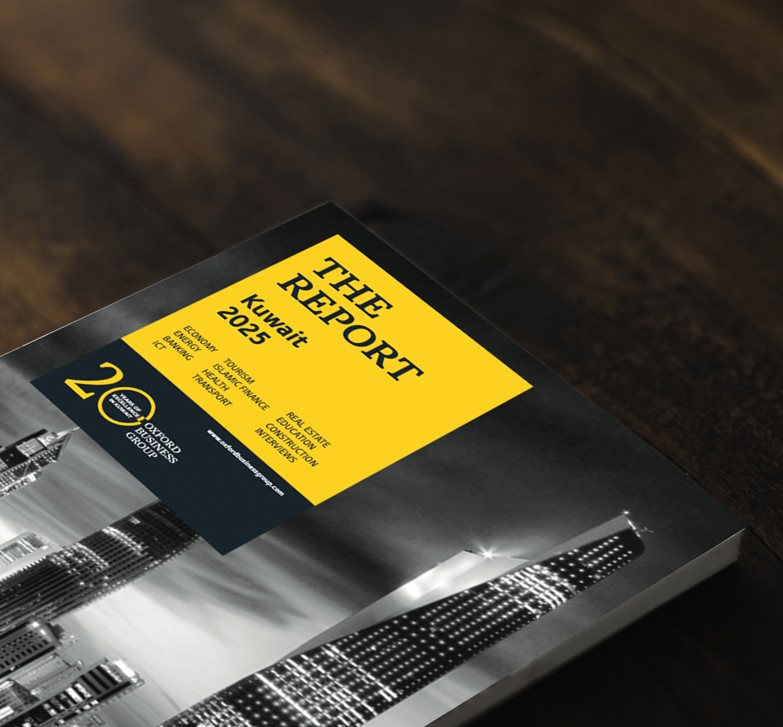
The Report: Kuwait

OBG Logo
Oxford Business Group examines Kuwait's structural transformation and investment outlook in the latest report
From fiscal reform and capital markets development to infrastructure investment and digital transformation, the policy direction is consistent and the momentum is growing.”
KUWAIT, KUWAIT, March 31, 2026 /EINPresswire.com/ -- As escalating regional tensions and conflict reshape the Middle East's economic outlook, Kuwait is pushing ahead with its programme of economic reform and structural diversification, positioning itself to navigate a more uncertain regional environment. The Report: Kuwait, the latest research publication by global research and advisory firm Oxford Business Group (OBG), examines how the country is advancing structural transformation at a critical moment for the wider region.— Oliver Cornock
The report assesses how Kuwait is advancing the goals of its New Kuwait 2035 national transformation strategy, combining fiscal reform, infrastructure expansion and private-sector participation to build a more resilient economic base. Key developments assessed include the landmark 2025 public debt law, which restores Kuwait's access to international capital markets and strengthens fiscal flexibility. While hydrocarbons remain central to the economy, accounting for approximately 44% of GDP and close to 88% of government revenue, non-oil sectors including financial services, transport, real estate and manufacturing are expanding steadily. Following a contraction in 2024 linked to OPEC+ production cuts, economic growth is forecast to return to approximately 2.6% in 2025, supported by higher oil output and continued non-oil sector expansion. Inflation has moderated to approximately 2.2%, and investor confidence has strengthened amid regulatory reforms, growing capital markets activity and rising foreign investment interest. These indicators reflect a degree of economic stability that stands in contrast to the broader uncertainty generated by ongoing regional conflict and its potential implications for trade, energy markets and investor sentiment across the Gulf.
The latest report provides a detailed sector-by-sector assessment for investors and policymakers, covering the implementation of the New Kuwait 2035 development strategy and its role in accelerating economic diversification and infrastructure investment; financial sector resilience and the evolution of Kuwait's banking system amid regulatory reform and digital innovation; efforts to strengthen Kuwait's investment environment and expand non-oil revenue sources; the expansion of Kuwait's hydrocarbons sector alongside sustainability and industrial diversification strategies; and major infrastructure projects in transport, logistics and urban development supporting Kuwait's development as a regional trade hub.
Jana Treeck, OBG's Managing Director for the Middle East, said the report arrives at a significant moment in Kuwait's economic development, as structural reforms begin to translate into tangible progress across key sectors.
"Kuwait is entering a new phase of reform-driven growth, underpinned by a clear national strategy and a strengthening regulatory environment. The latest report offers investors, policymakers and analysts a rigorous and timely assessment of the opportunities and challenges shaping one of the Gulf's most strategically positioned economies," Treeck said.
Oliver Cornock, OBG's Editor-in-Chief, noted that the breadth of reform activity documented in the report reflects a sustained policy commitment to long-term economic transformation.
"The data and analysis contained in the report illustrate how Kuwait is building the foundations for a more diversified and resilient economy. From fiscal reform and capital markets development to infrastructure investment and digital transformation, the policy direction is consistent and the momentum is growing. The non-oil sector's steady expansion, alongside continued efforts to attract foreign investment, points to a broadening of Kuwait's economic base that will be of considerable interest to the international investment community," Cornock said.
The Report: Kuwait features key interviews with Sheikh Ahmad Abdullah Al Ahmad Al Sabah, Prime Minister of Kuwait; Basel Al Haroon, Governor, Central Bank of Kuwait; Sheikh Meshaal Jaber Al Sabah, Director General, Kuwait Direct Investment Promotion Authority; Tareq Al Roumi, Minister of Oil and Chairman, Kuwait Petroleum Corporation; and Abdulatif Hamed Hamad Al Mishari, Minister of State for Municipal Affairs and Housing Affairs.
The report has been produced in partnership with Kuwait Direct Investment Promotion Authority (KDIPA) and the Union of Investment Companies, following in-country research by OBG's team of analysts. The publication is available in print and online at: https://oxfordbusinessgroup.com/reports/kuwait/2025-report/
Marc-André de Blois
About Oxford Business Group
+971 4 426 4642
email us here
Visit us on social media:
LinkedIn
Facebook
YouTube
X
Legal Disclaimer:
EIN Presswire provides this news content "as is" without warranty of any kind. We do not accept any responsibility or liability for the accuracy, content, images, videos, licenses, completeness, legality, or reliability of the information contained in this article. If you have any complaints or copyright issues related to this article, kindly contact the author above.
